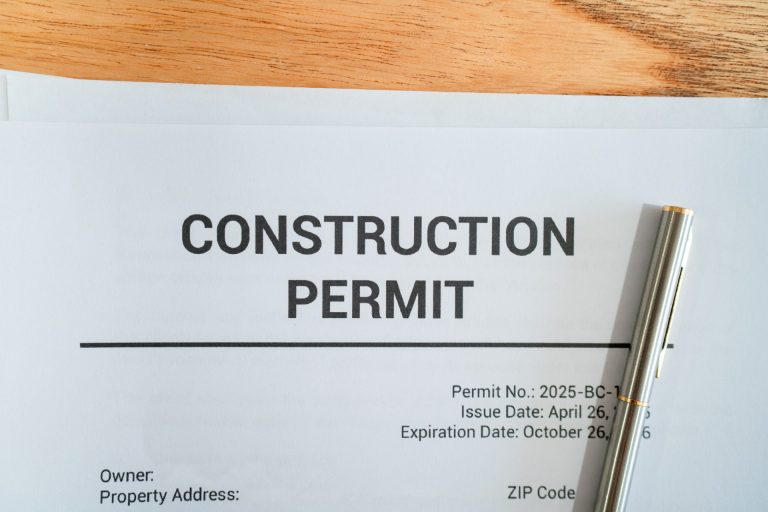
If you’re planning a kitchen or bathroom remodel in 2026, understanding **Bay Area remodeling permits** early can protect your timeline and reduce surprises. Requirements vary by city, and the line between a “cosmetic update” and work that triggers permits is easy to underestimate.
This guide explains when permits are typically required, what updates often don’t require permits, and how the local process usually works—so you can plan scope, selections, and scheduling with fewer last-minute changes.
Key Takeaways (Quick Summary)
- Permits are commonly required when you change **structure**, **plumbing**, **electrical**, or **ventilation**—even if the finished look seems “simple.”
- Many cosmetic updates (paint, some finishes) often don’t require permits, but rules vary by city and scope.
- Permits affect timelines more than finishes. If you want a spring/summer start, plan earlier than you think.
- The safest approach is to confirm requirements with your local building department and work with a contractor who can coordinate permits and inspections.
Even if your finished space looks straightforward, changing what’s behind the walls typically triggers review and inspections.
When Permits Are Typically Required in the Bay Area
While you should always confirm locally, many cities treat the following as cosmetic work **when it does not involve** structural, electrical, plumbing, or mechanical changes:
- Painting and finish updates
- Surface-level flooring replacement
- Tile installation that does not involve moving plumbing/electrical
- Cabinet replacement/refacing when no structural or trade changes are involved (city rules vary)
Key takeaway: the permit question is often less about what you’re installing and more about whether you’re changing **structure or systems**.
Permit Notes for Common Service Areas (Examples)
Because requirements vary, treat these as examples to guide your questions—not as a substitute for checking your city requirements:
- Palo Alto: Some kitchen/bath projects may qualify for streamlined pathways depending on scope and submittal method.
- San José: Cities may distinguish cosmetic work from remodeling that includes building/plumbing/electrical work.
- Oakland: Kitchen and bathroom remodels may require review and permits depending on scope.
- Los Altos / Mountain View / Sunnyvale (and nearby cities): Confirm permit triggers, review steps, and inspection sequencing early.
Featured Snippet Table: Common Changes and Permit Likelihood
| Change type | Permit likely? | Why it matters |
|---|---|---|
| Move or remove a wall | Yes | Structural scope + inspections |
| Relocate sink/shower/toilet | Yes | Plumbing changes |
| Add new circuits / panel upgrades | Yes | Electrical safety + inspection |
| New recessed lighting layout | Often | May involve new electrical work |
| Replace vanity in same location | Sometimes | Depends on trade scope |
| Replace cabinets with no trade/structural changes | Often not | Cosmetic in many cities (confirm locally) |
| Tile, flooring, paint | Usually not | Cosmetic work in many cities |
Use the table as a starting point—not a substitute for confirming requirements with your local building department and your specific scope.
The Bay Area Permit Process (Simple Step-by-Step)
Step 1 — Define the Scope Clearly
Permits become clearer when your scope is written clearly. A strong scope answers: Are you moving fixtures? Opening walls? Changing ventilation? Upgrading electrical capacity or panel service?
Step 2 — Prepare Plans or a Simplified Submittal (Depending on City)
Some remodels require drawings and calculations; others may qualify for simplified pathways. Your city and scope determine what’s required.
Step 3 — Submittal + Review
Your city reviews the application for code compliance. Some jurisdictions involve additional review steps for kitchen/bath remodels depending on scope.
Step 4 — Permit Issuance + Inspections
Inspections verify that work is done safely and to code. Plan inspections into your schedule so trades and materials are sequenced properly.
Step 5 — Final Inspection + Close-Out
Close-out matters. It’s what makes the work complete in official records and can reduce complications later.
Planning Tip for 2026: Permits Affect Your Timeline More Than Finishes
Homeowners can spend weeks deciding tile or paint, but the biggest schedule swing is usually scope clarity, permit requirements, and review/inspection timing. If you’re targeting a spring or early-summer start, plan early enough to account for approvals and trade scheduling.
Common Permit Mistakes Bay Area Homeowners Make
These permit-specific mistakes are common—and avoidable:
- Starting demolition before confirming permit requirements
- Assuming “minor” work won’t trigger permits when it involves electrical or plumbing changes
- Not documenting scope changes (which can create midstream compliance issues)
- Underestimating time needed for approvals and inspections
For a broader checklist of issues that can derail a remodel, read:
https://feldman.construction/planning-a-remodel-in-the-bay-area/
When to Talk to a Contractor (and What to Ask)
A productive contractor conversation is less about “Do we need permits?” and more about these scope-specific questions:
- Which parts of this scope trigger building, plumbing, electrical, or mechanical permits?
- What approval path is typical in my city for this scope?
- Who pulls permits and schedules inspections?
- What is the plan if we uncover outdated wiring, plumbing, or damage behind walls?
FAQ: Bay Area Kitchen & Bathroom Remodel Permits (2026)
Do I need a permit for a bathroom remodel in the Bay Area?
Often, yes—especially if you’re changing plumbing, electrical, ventilation, or layout. Cosmetic updates may not require permits, but once trade work is involved, permits and inspections are commonly required. Confirm your exact scope with your local building department so the schedule and inspections are planned correctly.
Do I need a permit for a kitchen remodel in the Bay Area?
If your kitchen remodel includes structural changes or new electrical, plumbing, gas, or ventilation work, permits and inspections are commonly required. Many cities distinguish cosmetic updates from remodeling that changes systems, so confirm requirements before ordering materials or scheduling demo.
Do I need permits if I’m not moving plumbing?
Possibly. Even if plumbing stays in place, permits may still be required if you’re adding circuits, reworking lighting, changing ventilation, or modifying structure. A “same-location” update can still trigger permits depending on trade scope and city rules.
Can I replace cabinets without a permit?
Often yes when it’s truly a cosmetic cabinet swap and you’re not changing structure, plumbing lines, electrical circuits, or ventilation. But cabinet work frequently connects to electrical and plumbing updates (outlets, lighting, dishwasher lines), which may trigger permits. Confirm early based on your scope.
What happens if I remodel without permits in the Bay Area?
Risks can include stop-work orders, rework to meet code, fines, and delays—plus complications during resale if work wasn’t inspected or closed out. The safest approach is to confirm permit requirements upfront and build approvals and inspections into your project schedule.
How long do permits take in the Bay Area?
It varies widely by city and scope. Some jurisdictions offer streamlined pathways for qualifying projects, while others require additional review steps. A contractor familiar with your city can set expectations and help you plan around review time and inspection sequencing.
Can my contractor pull permits for me?
In many cases, yes. Contractors commonly manage permit applications and inspections as part of the remodel process. Confirm in writing who is responsible for submittals, fees, jobsite postings, and inspection coordination so responsibilities are clear from day one.
Next Step: Plan Scope With Permits in Mind
If you’re planning a 2026 remodel, a permit-aware scope protects your timeline and helps avoid mid-project surprises. If you’d like help clarifying scope and mapping a realistic schedule, schedule a remodel planning consultation.